
Description
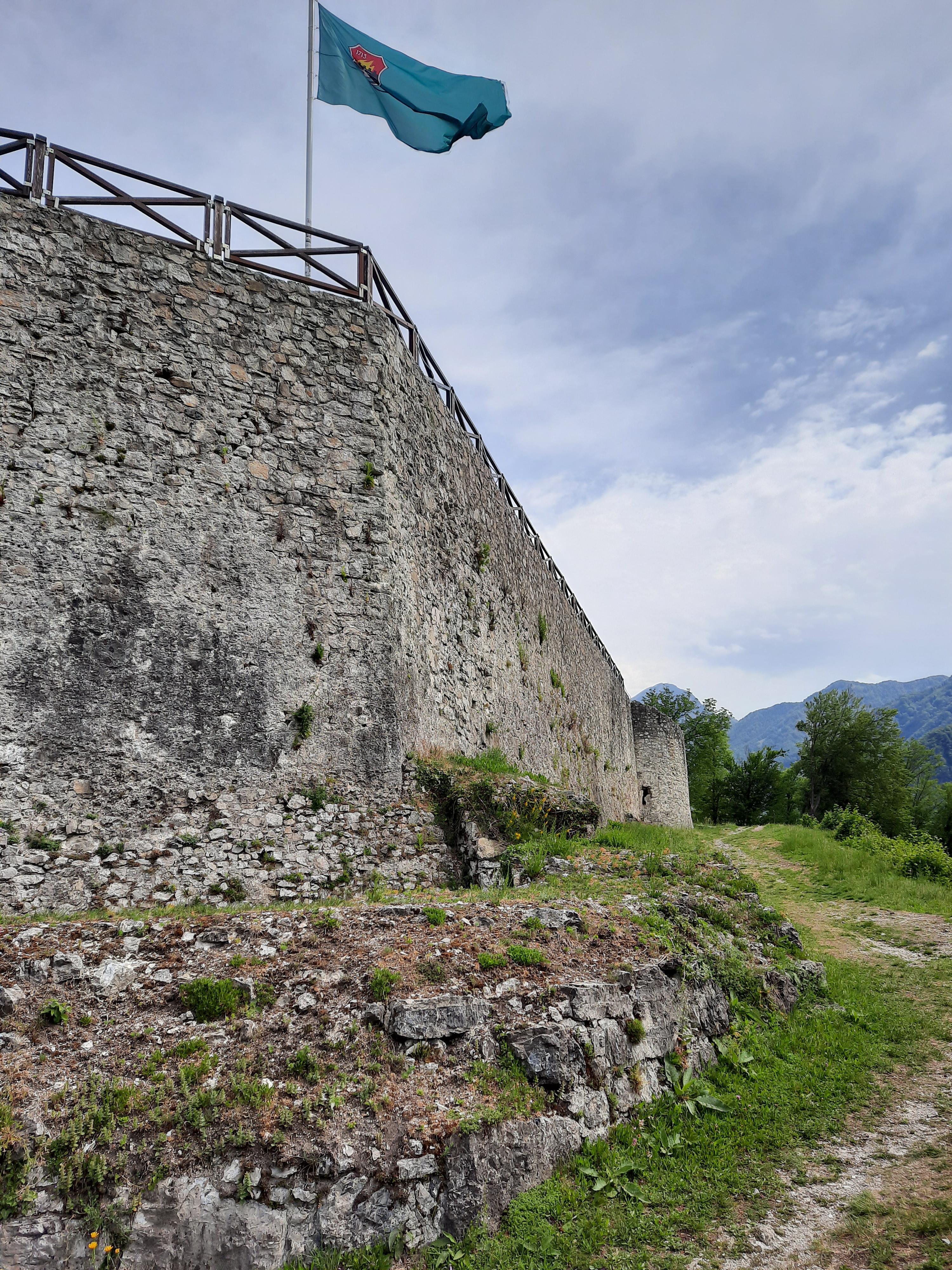
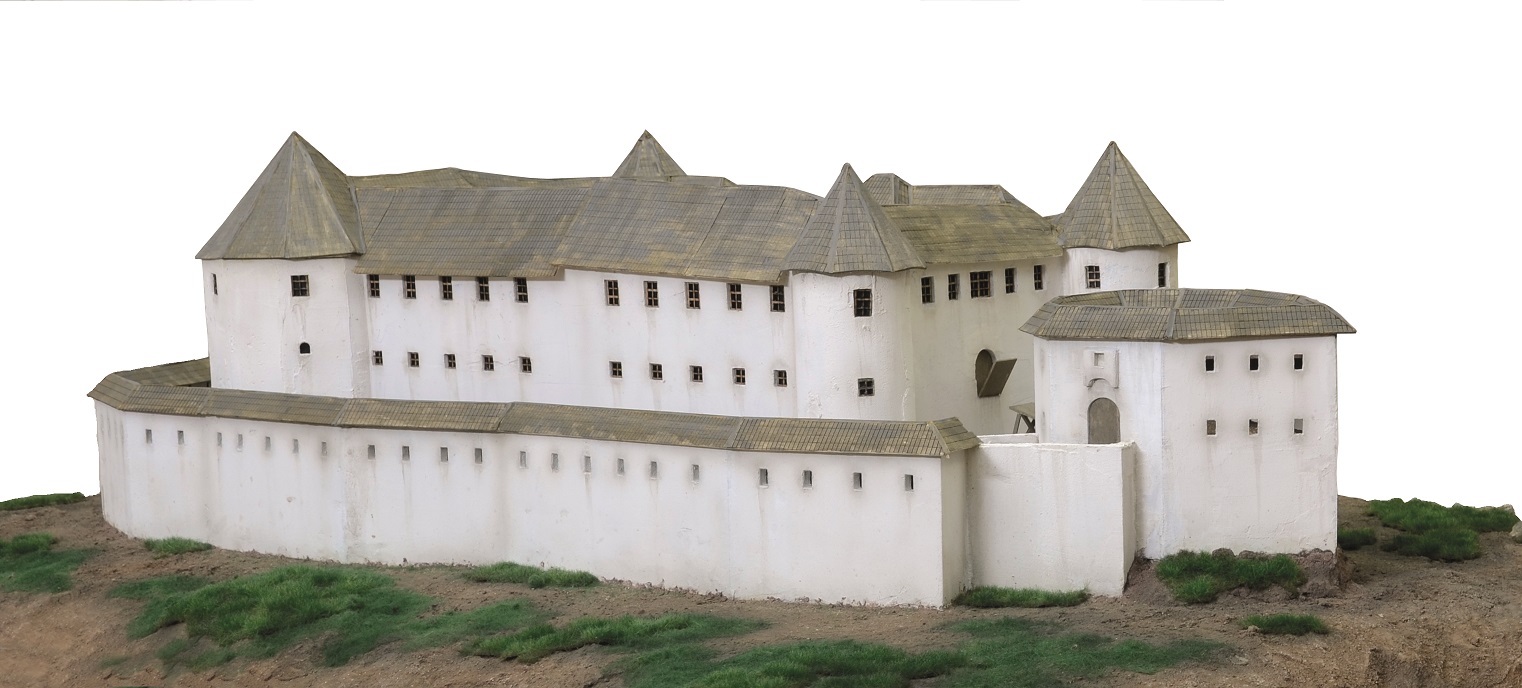
The naturally protected location of the Kozlov rob castle and its strategic position near important trade routes, which suggest an early Middle Age origin of this fortified structure erected on top of the homonymous hill, were the reasons the military strategists of the first half of the 17th century still considered it the most important fortification in the region despite the changes in warfare since its construction. Archaeological excavations revealed a few objects that might be interpreted as evidence of the existence of a fortification at the same place during Roman times, but remains of any earlier structure would have been destroyed by mediaeval redevelopments. During the Middle Ages, the strategic castle and the extensive landed estate were owned by the strongest feudal lords in the region, the patriarchs of Aquileia, who also granted the Tolmin manor in fief. After a short period under Venetian rule, the estate, together with the castle, passed into the hands of the Habsburgs, who also let it in fief. Following a change in their ownership policy and the sale of the manor in the mid-17th century, the latter was soon (in 1651) bought from the original owners by the renowned and extensive noble family of the Gorizia region, the Coroninis, who retained its ownership until the abolition of serfdom. Given that from the second half of the 16th century onward, the living quarters of the fortified complex on the butte had probably been used only by the manager and his employees, the women’s apartments at that time must have already fallen into ruin. The castle complex also comprised outbuildings (stables) and, from the 16th century onwards, two large water reservoirs. In fact, sufficient water supply was a serious difficulty for the elevated fortification, especially in the event of fires, which were not infrequent; the financing of fire damage restoration at the castle complex was always a subject of negotiation between owners and vassals. Nevertheless, even during the turbulent 16th century the castle preserved the monumentality that it garnered from its over 14-metre walls and four corner towers. The fortified complex also included a church dedicated to St. Martin. There was a small military crew stationed at the castle at all times, a practice that survived into the 1630s. Besides numerous remains of weapons, archaeological excavations yielded several precious objects made of ceramics and glass, as well as shells, suggesting that the castle was also inhabited by wealthier residents leading luxurious lives. There are also indications of it being used by the local population as shelter during wars and Ottoman incursions. The Coronini family abandoned the unapproachable fort, which another fire partly damaged towards the end of the 1630s, and erected a new mansion in the town of Tolmin, which was more prestigious and more in line with the lifestyle of the nobility of the period. Still, at least some of the 18th century owners are known to have used that new mansion only as a summer residence. As the Kozlov rob castle repeatedly incurred damage from earthquakes and fires likely caused by lightning, the local serfs were also required to bear the burden of its restorations, as evidenced by their complaints during the great revolt of 1515, which swept over this manor as well.
Another extraordinary find of the latest archaeological investigations was barrel roof tiles that used to cover the early modern era castle, as this typical Mediterranean roofing became more widespread in the Tolmin area only in the second half of the 19th century.
Address
Links
Activities
Map