Description
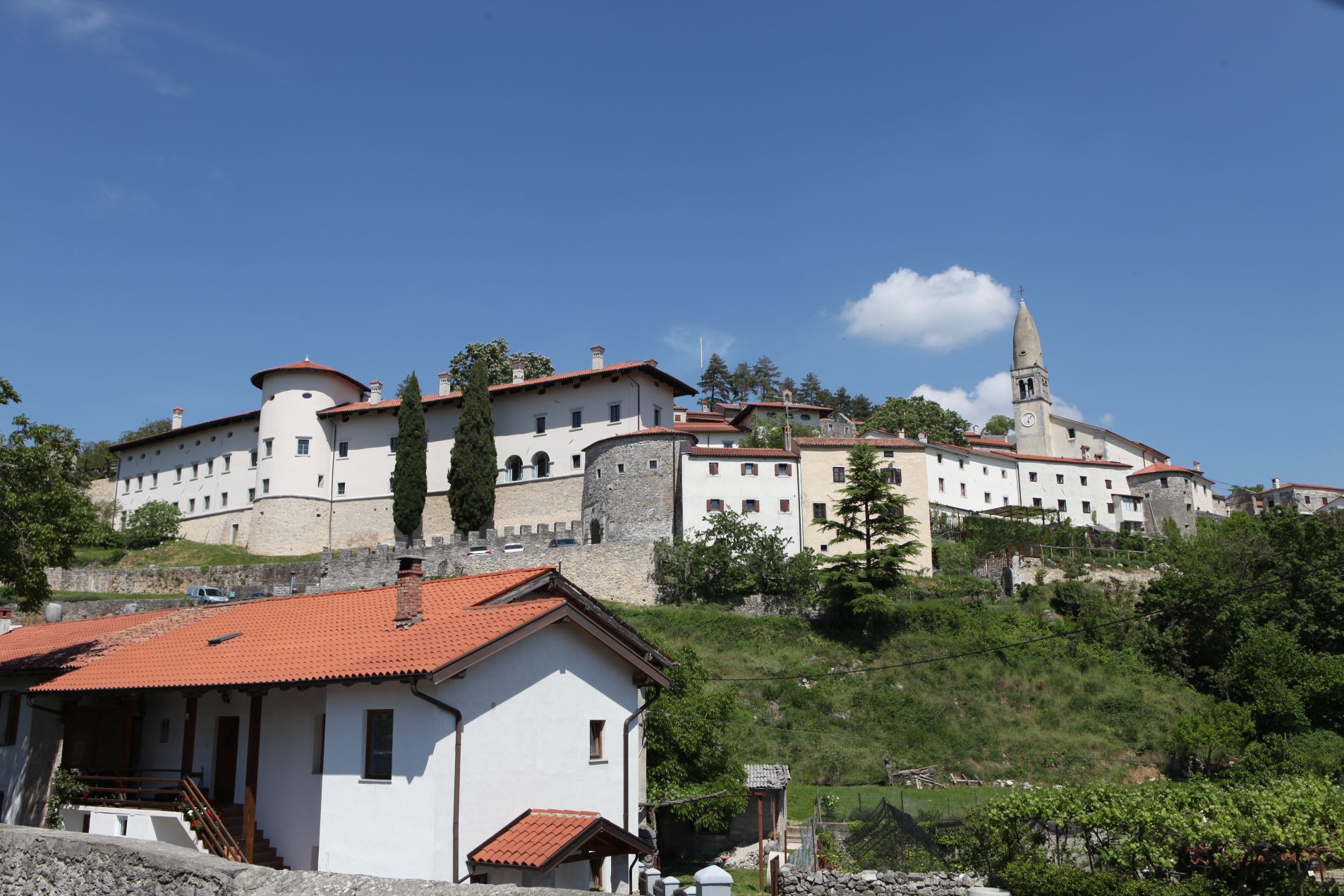
Štanjel is a picturesque village composed of strings of houses, perched on a slightly elevated karst edge. Above the town, on top of the hill Turn lie the remains of a smaller castellated building that was abandoned upon the decline of the Middle Ages. The place names convey the importance of this site that affords a close watch and control over the roads leading from the Vipava and Branica valleys to the Kras and further on towards the sea. Based on archaeological excavations, the area was found to have been inhabited as early as prehistoric times and the late Roman era.
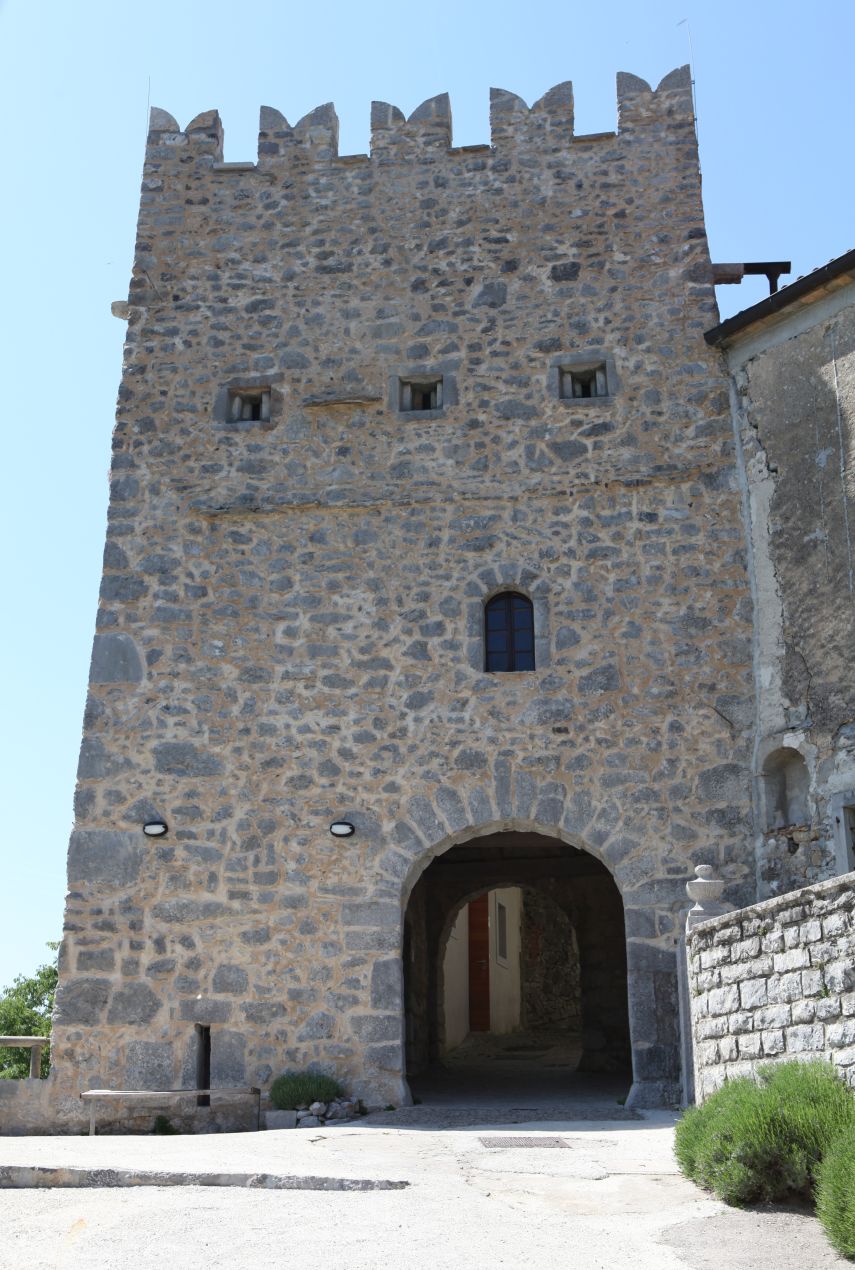
To protect it from Ottoman incursions, the settlement was enclosed by a wall and turned into a tabor (fortified village) in 1502. The fortification was conquered by the Venetian army in 1508 during the Habsburg-Valois War, which swept around all the castles that existed at the time on the Slovene side of our itinerary. After that war, Štanjel was additionally fortified with an enceinte and towers.
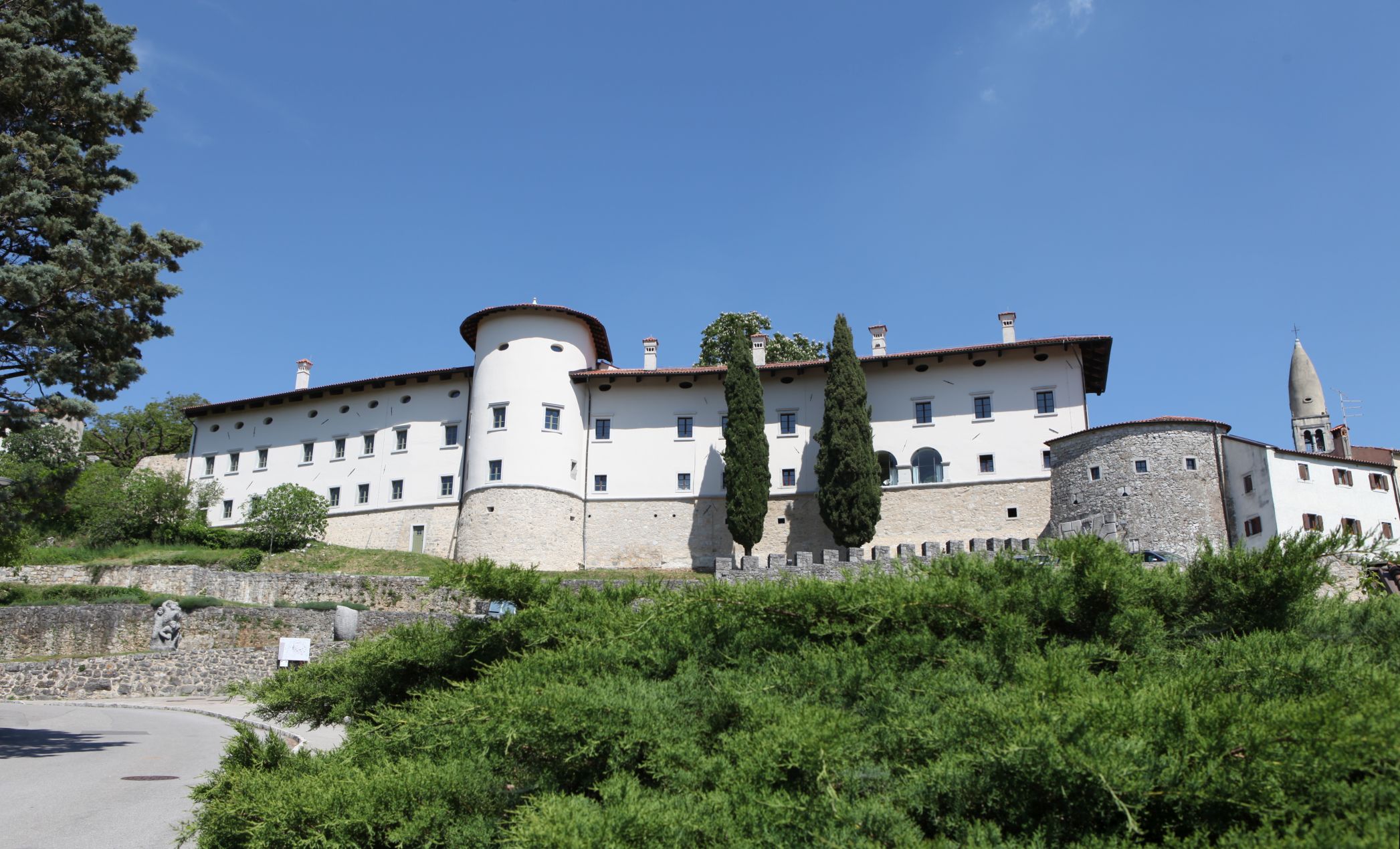
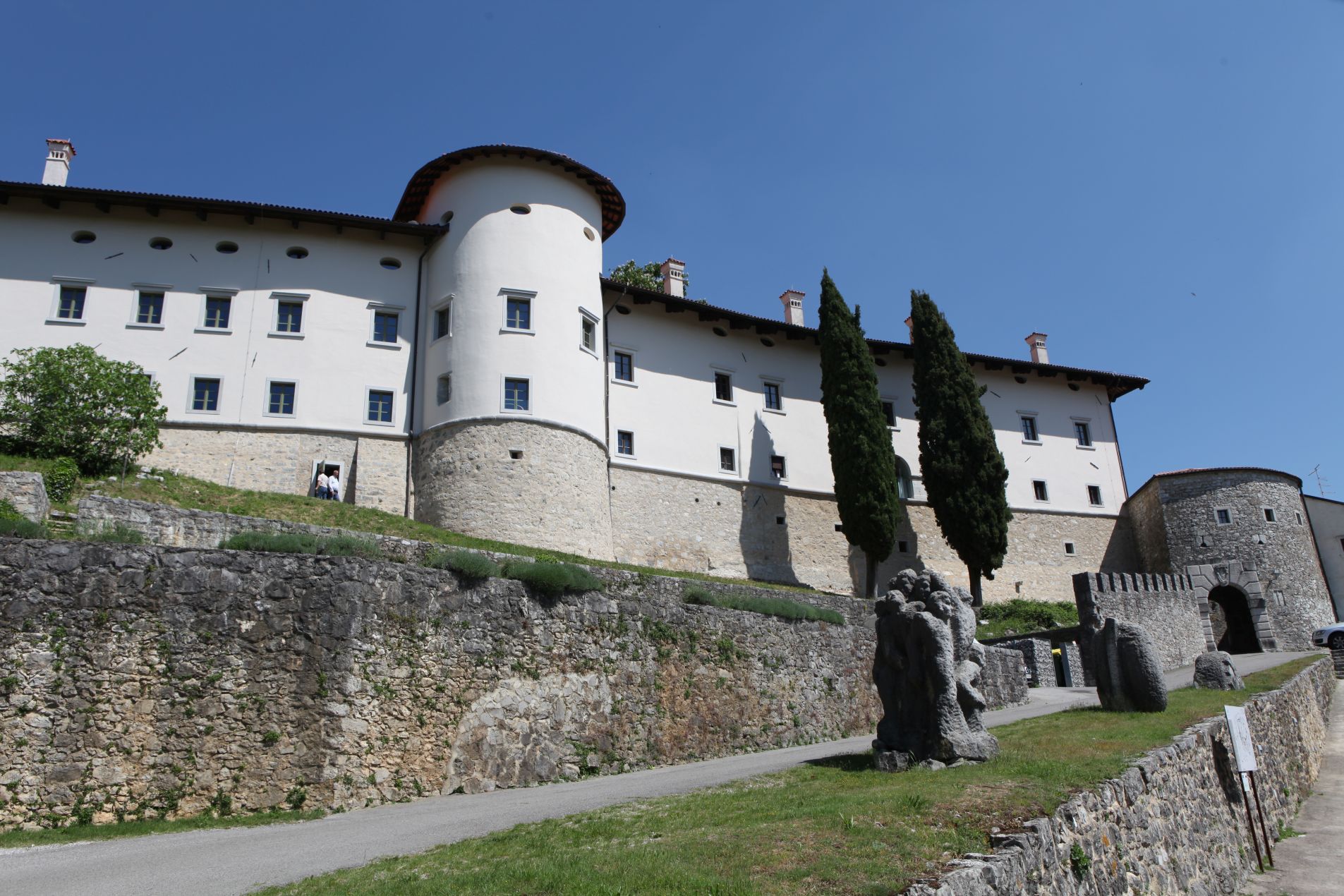
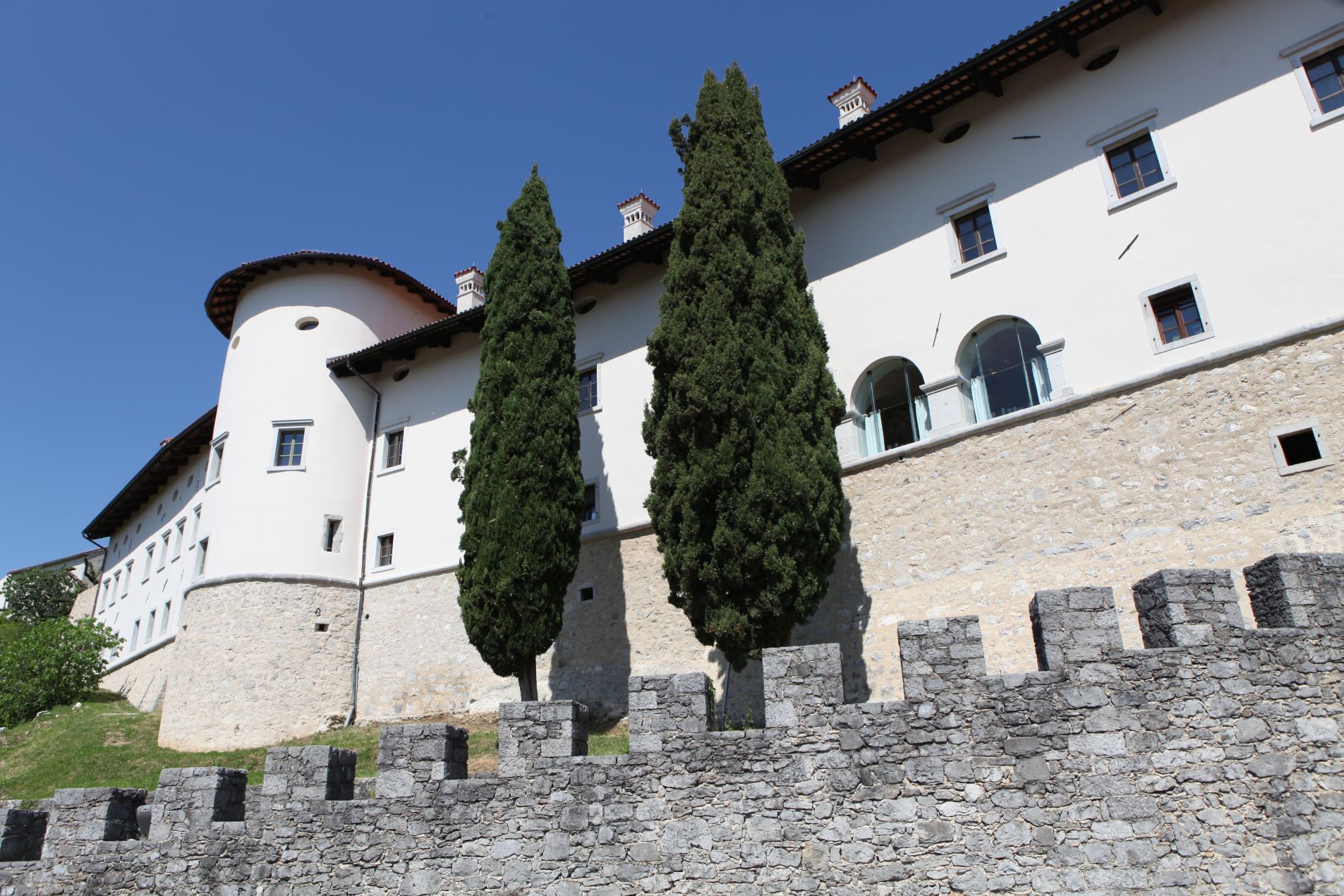
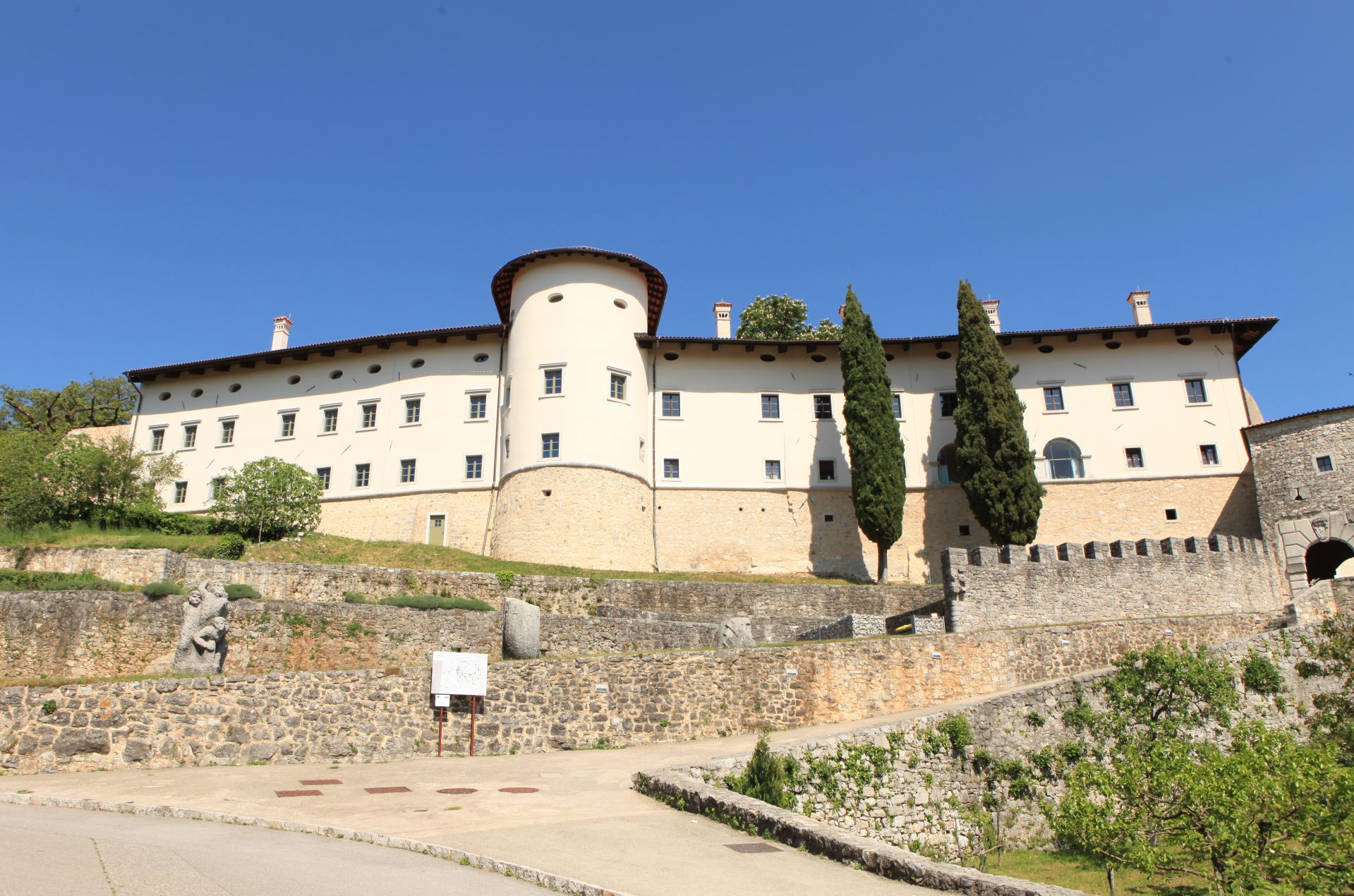
The castle complex owes its appearance primarily to Johann von Cobenzl, who excelled in various positions at the Habsburg court and led important diplomatic missions, including to Ivan the Terrible in Russia. During the 17th century, the Cobenzls invested in their Štanjel residence, enlarging it significantly, beginning with Johann’s nephew Philipp, who commissioned the lemon-shaped belfry of the village church. Particularly fervent was Johann Philipp von Cobenzl II, after he had been granted the title of count (1675). Both wings of the castle structure were then extended southwards as far as the western gate to the town and converted the whole into a large early-Baroque complex. After the extinction of the line of Cobenzls in 1810, the building gradually fell into ruin. During the 20th century interwar period, the renowned architect from this area, Max Fabiani, breathed new life into it, but unfortunately the castle was burnt down during the Second World War.
Efforts by the conservator Nataša Štupar Šumi halted the decay of the castle in the 1970s and ushered in the beginning of its lengthy renovation. Since the late 1980s, the gallery in the south-western wing has been displaying a permanent collection by painter and graphic artist Lojze Spacal. In addition to the restaurant in the lower part of the building, there are also two halls hosting cultural events and wedding ceremonies, respectively. Numerous tourist events, such as the Gledanica festival, have revived the interest in the castle and the town of Štanjel and its surroundings.