Description
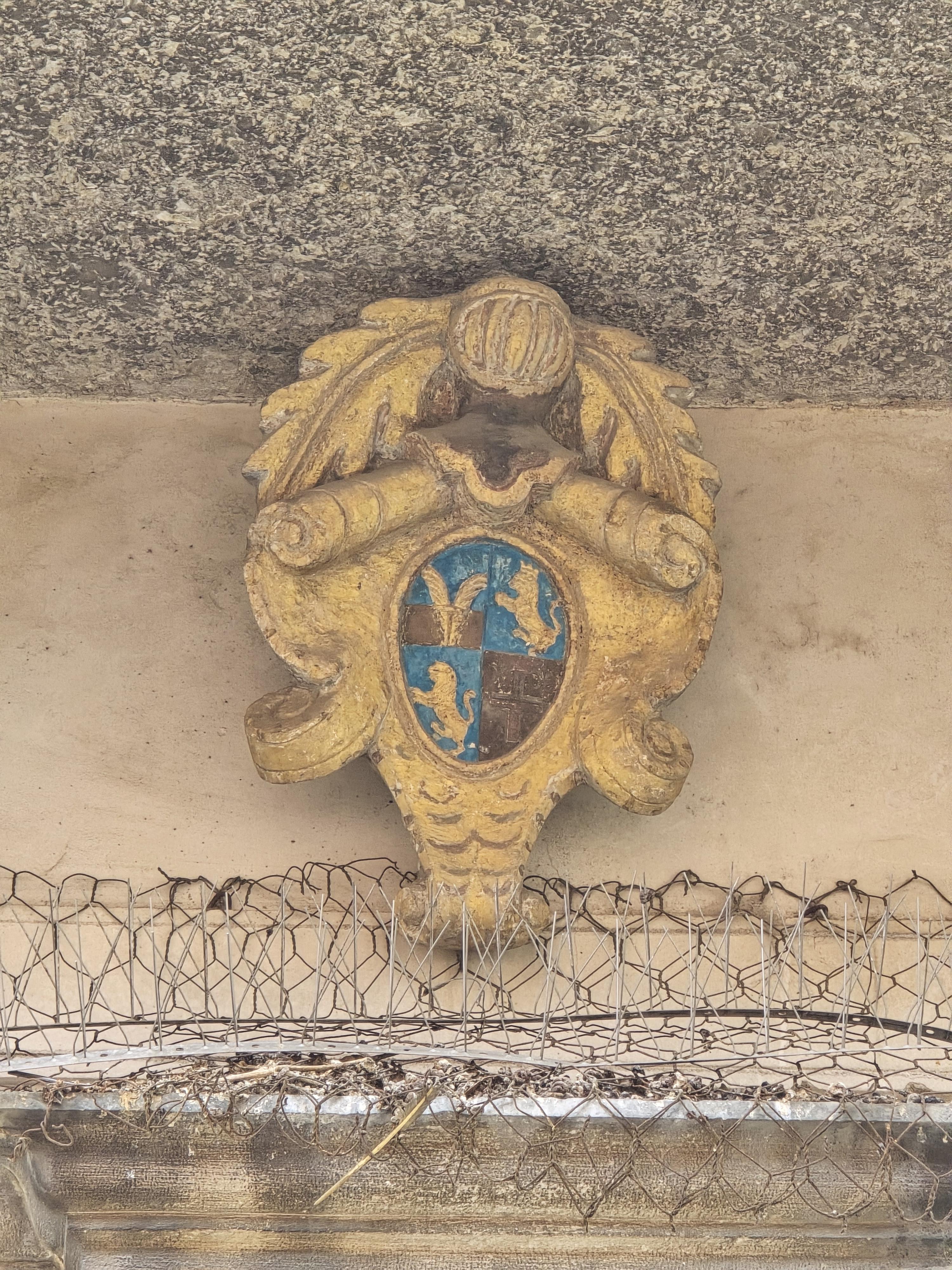
The Carlis were admitted to the Grand Council of Koper in 1431. They distinguished themselves in the cultural and political fields. Their dragoman service is evidenced by portraits that were created in Koper but were transferred to Poreč (Parenzo) by Agostino Carli after the collapse of the Venetian Republic in 1797 – they are still kept in the Poreč Regional Museum today.
Portraits from the 17th and 18th centuries testify to the dragoman service of the Carlis. They include portraits of their wives dressed in the Ottoman style. Gian Rinaldo Carli Sr. became dragomano grande and participated as a translator in the conclusion of the Peace of Požarevac in 1718.
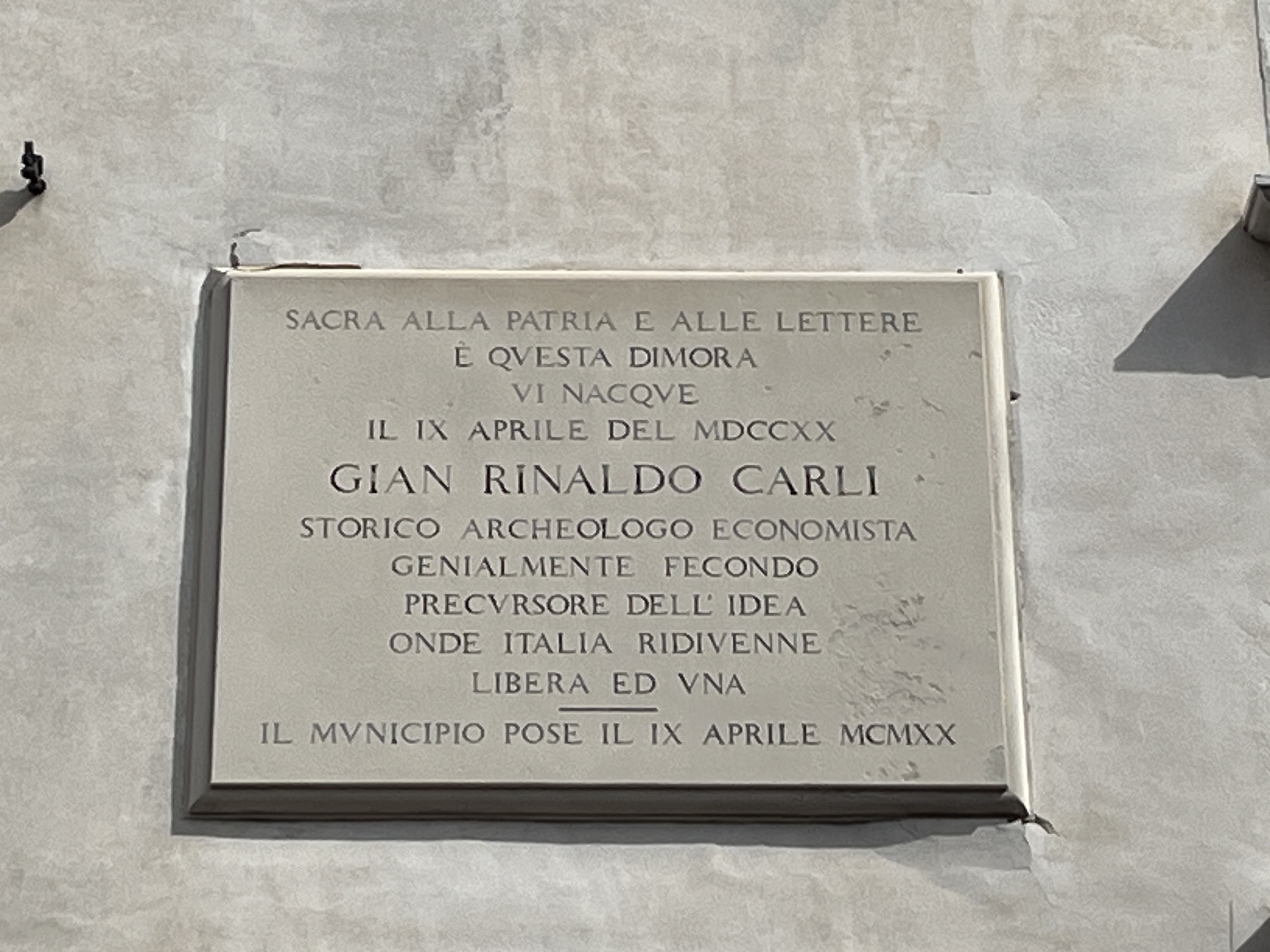
The most famous of the Carlis was Gian Rinaldo Carli (1720–1795), one of the most important enlightened figures of Koper and Istria, and an internationally recognized intellectual of the 18th century. At the age of twenty-four, he was awarded a professorship in astronomy and nautical studies at the University of Padua, where he taught future officers of the Venetian navy. He is considered one of the first proponents of Newton’s discoveries in physics on the European continent.
His scientific work was not limited to astronomy: he dealt with economics, history, archaeology, numismatics, and the question of the identity of Italians. His treatise on money and mints in Italy was long considered fundamental. On the family domain in Cerej near Koper, he set up a manufactory with a spinning mill, a weaving mill, and a dyeing plant. Although it did not take off economically, it is considered the beginning of industrial activity in Istria.
After this unsuccessful venture, Carli moved to Milan, where he spent the second part of his life, became president of the highest economic council, and died there in 1795.